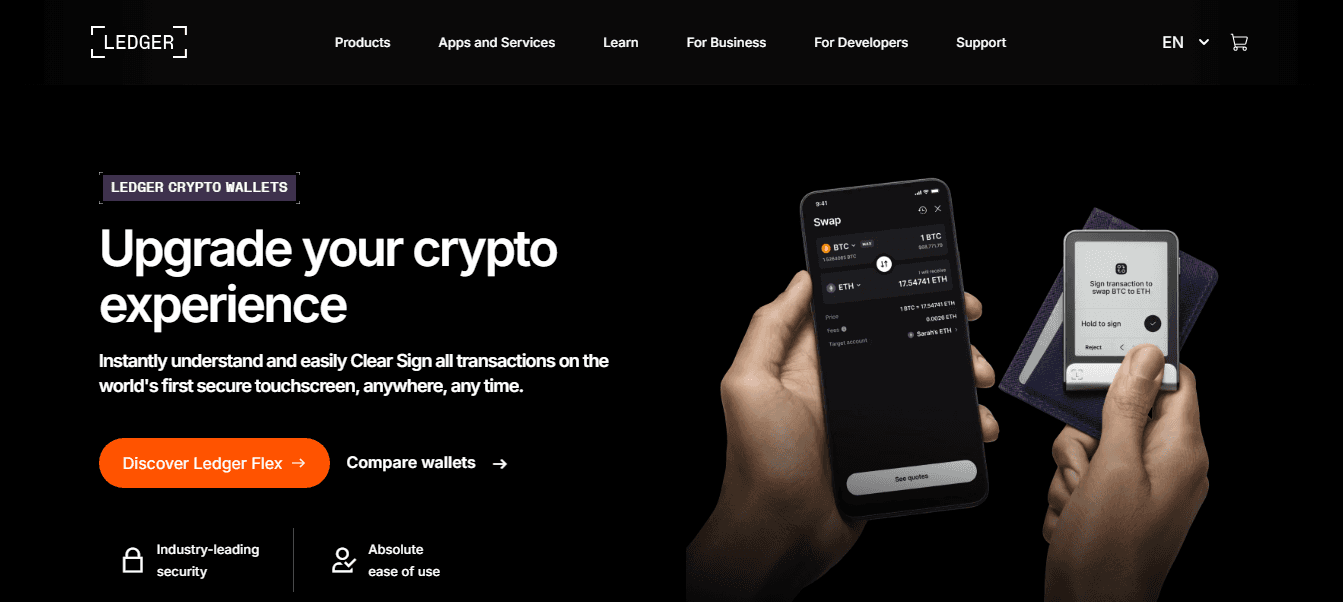
Ledger Login: A Secure Approach to Accessing and Managing Digital Assets
As cryptocurrencies continue to reshape the global financial landscape, secure access to digital assets has become a top priority for users. Unlike traditional online banking, cryptocurrency systems do not rely on centralized authorities to reset passwords or reverse transactions. This makes the login process far more critical, as it directly determines who has control over funds. Ledger Login is designed to address this challenge by combining strong security practices with user-controlled authentication.
Ledger Login refers to the secure process of accessing cryptocurrency accounts using a Ledger hardware wallet. Instead of relying solely on usernames and passwords, this method uses physical device verification to confirm identity. By requiring direct interaction with a hardware wallet, Ledger Login significantly reduces the risk of unauthorized access while giving users full ownership of their digital assets.
What Is Ledger Login?
Ledger Login is a secure authentication method that allows users to access their cryptocurrency accounts through a Ledger hardware wallet. Rather than storing login credentials online, the authentication process relies on cryptographic verification performed directly on the hardware device.
This approach ensures that private keys remain securely stored offline and are never exposed to computers, mobile devices, or the internet. Ledger Login transforms the traditional concept of logging in by replacing weak credentials with strong, hardware-based proof of ownership.
Why Ledger Login Is Important
In traditional digital systems, logins are often protected by passwords, which can be stolen through phishing, malware, or data breaches. Cryptocurrency systems demand a higher level of security because transactions are irreversible. Once assets are transferred, they cannot be recovered.
Ledger Login addresses these concerns by eliminating reliance on easily compromised credentials. Instead, it uses physical confirmation and cryptographic security to ensure only the rightful owner can access accounts. This method greatly reduces attack surfaces and provides peace of mind for users managing valuable digital assets.
Core Principles Behind Ledger Login
Ledger Login is built on several foundational principles that prioritize user security and control:
Self-custody, ensuring users maintain full ownership of their assets
Hardware-based authentication, preventing remote attacks
Transparency, allowing users to verify every action
Privacy, avoiding unnecessary data collection
These principles align with the decentralized philosophy of cryptocurrencies and support responsible asset management.
How Ledger Login Works
Hardware Wallet Authentication
Ledger Login requires a Ledger hardware wallet to authenticate access. When users attempt to log in, they must connect their device and confirm the action directly on the device screen.
PIN Code Verification
Before authentication can occur, users must enter their PIN code on the hardware wallet. This prevents unauthorized individuals from using the device even if it is physically accessed.
Cryptographic Proof
The hardware wallet generates cryptographic proof to verify ownership without exposing private keys. This process ensures security while maintaining functionality.
User Confirmation
Every login action must be confirmed by the user on the device, ensuring awareness and consent.
Security Advantages of Ledger Login
Offline Private Key Protection
Private keys are generated and stored securely inside the hardware wallet. Ledger Login never requires these keys to leave the device, protecting them from online threats.
Protection Against Phishing
Because Ledger Login does not rely on passwords, phishing attacks become ineffective. Fake websites or malicious prompts cannot steal login credentials that do not exist.
Resistance to Malware
Even if a computer is compromised, malware cannot gain access without physical confirmation on the hardware device.
Reduced Attack Surface
By removing password-based authentication, Ledger Login significantly lowers the number of potential vulnerabilities.
Using Ledger Login in Daily Asset Management
Ledger Login is designed to be practical and user-friendly despite its advanced security.
Accessing Accounts
Users connect their Ledger device and authenticate using the PIN code. Once verified, they can view balances, transaction history, and account information.
Managing Transactions
Any sensitive action, such as sending assets, requires additional confirmation on the device. This ensures that login access alone is not enough to move funds without consent.
Session Control
Users remain in control of active sessions and can disconnect their device when not in use, adding another layer of protection.
Privacy and User Independence
Ledger Login respects user privacy by minimizing data exposure. It does not require personal details, email addresses, or centralized identity verification. Authentication is handled locally through cryptographic proof, keeping user information private.
This approach supports financial independence by allowing users to interact directly with blockchain networks without relying on third-party intermediaries.
Backup and Recovery Considerations
While Ledger Login provides strong access security, users must also understand backup and recovery procedures. During initial setup, users receive a recovery phrase consisting of multiple words. This phrase allows full restoration of access if the hardware wallet is lost, damaged, or reset.
Best practices for recovery phrase management include:
Writing it down accurately
Storing it in a secure, offline location
Never sharing it with anyone
Never entering it into software or online forms
The recovery phrase grants complete access to assets, making its protection essential.
Common Misunderstandings About Ledger Login
Is Ledger Login the Same as a Password Login?
No. Ledger Login does not rely on usernames or passwords. Authentication is performed through hardware-based cryptographic verification.
Does Ledger Login Store User Credentials Online?
No. Credentials are not stored online, reducing the risk of data breaches.
What Happens If the Device Is Lost?
Access can be restored using the recovery phrase on a new device, emphasizing the importance of proper backup.
Best Practices for Secure Ledger Login
Always verify login requests on the device screen
Keep the hardware wallet firmware updated
Use a strong and private PIN code
Disconnect the device when not actively using it
Store the recovery phrase securely and offline
Following these practices helps ensure that Ledger Login remains a strong defense against unauthorized access.
Advantages of Ledger Login
Eliminates password-based vulnerabilities
Protects against phishing and malware
Ensures private keys remain offline
Provides user-controlled authentication
Aligns with decentralized security principles
These advantages make Ledger Login an effective solution for users seeking secure access to their digital assets.
The Role of Ledger Login in Long-Term Security
Ledger Login is not just a method of access; it is a long-term security strategy. By combining hardware verification, cryptographic proof, and user awareness, it creates a robust defense against evolving cyber threats.
As the digital asset ecosystem grows, strong authentication methods like Ledger Login will continue to play a vital role in protecting user funds and maintaining trust in decentralized systems.
Conclusion
Ledger Login represents a modern and secure approach to accessing cryptocurrency accounts. By replacing traditional passwords with hardware-based authentication, it provides strong protection against common online threats while giving users full control over their assets.
Through offline private key storage, on-device verification, and privacy-focused design, Ledger Login offers a reliable solution for secure account access. When combined with responsible backup practices and user awareness, it becomes a powerful foundation for long-term cryptocurrency security.
Ledger Login is more than just a login method—it is a commitment to safety, independence, and true ownership in the digital economy.