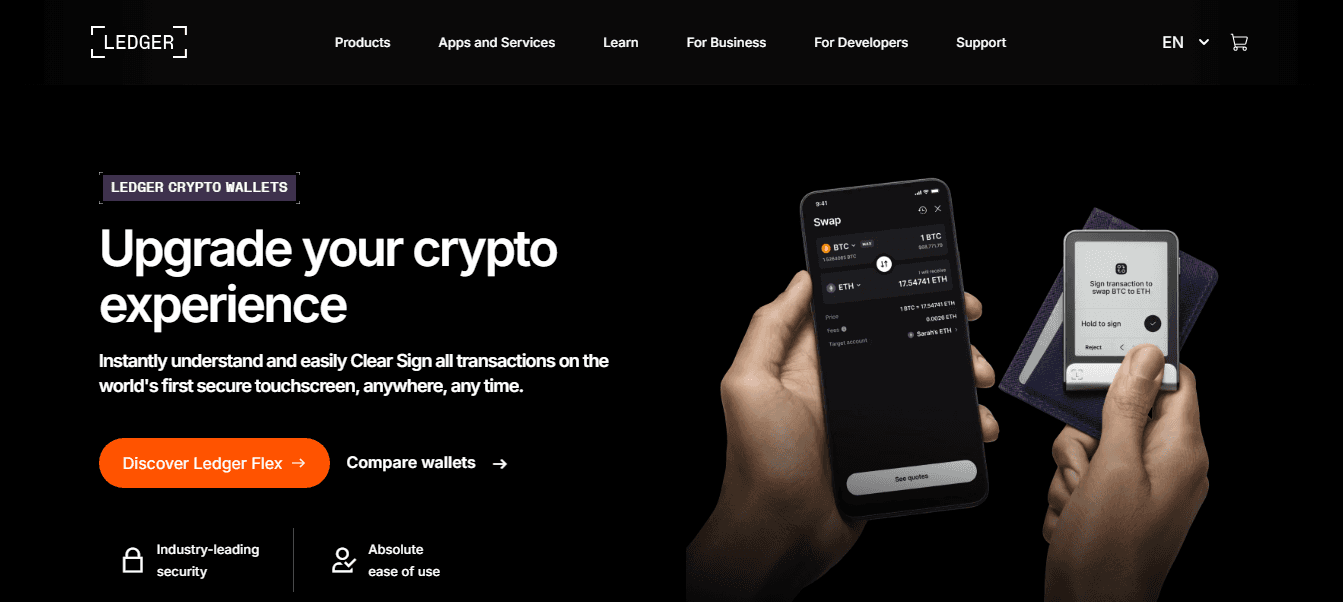
Ledger Login: Secure Access and Authentication for Cryptocurrency Management
With the rapid growth of cryptocurrencies, secure access to digital assets has become a critical requirement for users worldwide. Unlike traditional financial platforms, cryptocurrency systems place full responsibility on individuals to protect their funds. There are no centralized authorities to recover accounts or reverse transactions. In this environment, the login process plays a vital role in determining the safety of digital assets. Ledger Login was designed to offer a strong, reliable, and user-controlled method for accessing cryptocurrency accounts securely.
Ledger Login uses a hardware-based authentication approach rather than traditional usernames and passwords. By requiring physical confirmation through a Ledger hardware wallet, it minimizes exposure to online threats and provides users with full ownership and control of their assets. This method aligns with the core values of decentralization, security, and privacy.
Understanding Ledger Login
Ledger Login refers to the secure authentication process that allows users to access cryptocurrency accounts using a Ledger hardware wallet. Instead of storing login credentials online, authentication is handled through cryptographic verification performed directly on the physical device.
This approach ensures that private keys remain offline and protected at all times. The login process relies on hardware confirmation rather than easily compromised credentials, significantly improving overall security.
Why Secure Login Matters in Cryptocurrency
Cryptocurrency transactions are irreversible by design. If unauthorized access occurs, assets can be transferred permanently without the possibility of recovery. Traditional login systems that rely on passwords are vulnerable to phishing, data breaches, and malware attacks.
Ledger Login addresses these risks by removing password dependency. Authentication requires physical possession of the hardware wallet and user confirmation, making remote attacks extremely difficult. This added layer of protection is essential for anyone managing digital assets.
Core Principles Behind Ledger Login
Ledger Login is built around key principles that prioritize user safety and independence:
Self-custody, ensuring users remain the sole owners of their assets
Hardware-based security, protecting against online threats
User verification, requiring conscious approval of actions
Privacy protection, minimizing data exposure
These principles ensure that users maintain control without sacrificing usability.
How Ledger Login Works
Device Connection
To begin the login process, users connect their Ledger hardware wallet to a trusted computer or mobile device. The device acts as the authentication tool.
PIN Code Entry
Access to the hardware wallet is protected by a PIN code. This prevents unauthorized individuals from using the device even if it is physically obtained.
Cryptographic Authentication
The hardware wallet generates cryptographic proof to verify ownership. This process confirms identity without revealing private keys or sensitive data.
On-Device Confirmation
The login request must be approved directly on the device screen. This ensures transparency and prevents unauthorized access attempts.
Security Advantages of Ledger Login
Offline Private Key Protection
Private keys are generated and stored securely within the hardware wallet. They are never exposed to the internet or stored on connected devices.
Resistance to Phishing Attacks
Because Ledger Login does not rely on passwords, phishing attempts are ineffective. Fake websites cannot steal credentials that do not exist.
Malware Protection
Even if a computer is compromised, malicious software cannot complete login authentication without physical access to the hardware wallet.
Reduced Vulnerability Surface
By eliminating password-based authentication, Ledger Login significantly reduces common attack vectors.
Using Ledger Login in Everyday Asset Management
Ledger Login is designed to integrate smoothly into daily cryptocurrency use.
Account Access
Once authenticated, users can view account balances, transaction history, and asset details securely.
Transaction Authorization
Logging in does not automatically grant permission to move funds. Any transaction requires additional confirmation on the hardware device.
Session Control
Users remain in control of their sessions and can disconnect the hardware wallet when not in use, adding another layer of protection.
Privacy and User Independence
Ledger Login emphasizes privacy by avoiding unnecessary data collection. Users are not required to provide personal information such as email addresses or identification documents. Authentication is handled locally using cryptographic proof rather than centralized servers.
This privacy-first approach supports financial independence and aligns with the decentralized nature of cryptocurrency systems.
Backup and Recovery Responsibilities
While Ledger Login provides strong access security, users must understand the importance of backup and recovery. During device setup, users receive a recovery phrase made up of multiple words. This phrase allows complete restoration of access if the hardware wallet is lost, damaged, or reset.
Best practices for recovery phrase management include:
Writing the phrase clearly and accurately
Storing it in a secure, offline location
Never sharing it with anyone
Never entering it into software or online forms
Protecting the recovery phrase is essential, as it grants full access to assets.
Common Misconceptions About Ledger Login
Ledger Login Is Not a Traditional Account
Ledger Login does not create an online account with stored credentials. Access is verified through hardware-based authentication.
No Password Reset Process
There is no password to reset. Security relies on possession of the device and knowledge of the PIN code.
Loss Does Not Mean Permanent Loss
If the device is lost, access can be restored using the recovery phrase on a new device.
Best Practices for Secure Ledger Login
Always verify login requests on the device screen
Use a strong and private PIN code
Keep the hardware wallet firmware updated
Disconnect the device when not actively using it
Store the recovery phrase securely and offline
These practices help maintain long-term security and reduce the risk of unauthorized access.
Benefits of Using Ledger Login
Strong protection against hacking and phishing
Offline storage of private keys
User-controlled authentication process
No reliance on centralized credential storage
Enhanced confidence in asset security
These benefits make Ledger Login a preferred choice for users seeking robust access protection.
The Role of Ledger Login in Long-Term Asset Protection
Ledger Login is more than a simple access method. It represents a long-term security strategy designed to protect users from evolving cyber threats. By combining hardware authentication, cryptographic verification, and user awareness, it creates a powerful defense for digital assets.
As the cryptocurrency ecosystem continues to expand, secure login methods like Ledger Login will remain essential for protecting user funds and maintaining trust in decentralized systems.
Conclusion
Ledger Login offers a secure, modern approach to accessing cryptocurrency accounts. By eliminating passwords and relying on hardware-based authentication, it significantly reduces the risk of unauthorized access while giving users full control over their digital assets.
Through offline private key storage, on-device verification, and a privacy-focused design, Ledger Login provides a strong foundation for secure cryptocurrency management. When combined with responsible backup practices and user vigilance, it becomes a reliable and effective solution for long-term asset protection.
Ledger Login is not just a login method—it is a commitment to security, independence, and true ownership in the digital financial world.